English


Monkey pox Virus

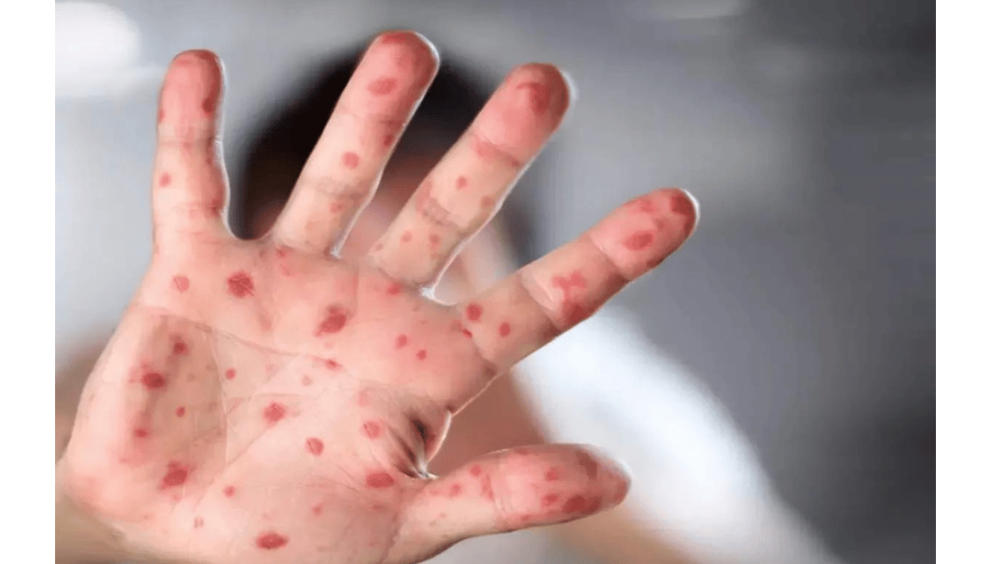
The monkey pox virus is a zoonotic virus, meaning it can spread from animals to humans, and is also transmissible between humans. It belongs to the Ortho pox virus genus, which includes the variola virus (responsible for small pox), vaccinia virus (used in the small pox vaccine), and cow pox virus.
Key Facts About Monkey pox
- Transmission: Monkey pox can spread through direct contact with the rash, scabs, or body fluids of an infected person. Monkey pox Virus.
- Symptoms: Symptoms typically appear 1-2 weeks after exposure and can include fever, headache, muscle aches, swollen lymph nodes, and a distinctive rash that often starts on the face before spreading to other parts of the body. The rash goes through several stages before forming scabs and falling off.
- Severity: Monkey pox is usually less severe than smallpox. While many cases are mild, the virus can lead to complications, particularly in immunocompromised individuals, children, or those with other health conditions.
- Outbreaks and Spread: International travel and close human-to-human contact contributed to this spread.
- Treatment and Prevention: There is no specific treatment for monkey pox, but antiviral medications used for smallpox may help. Vaccination (using a smallpox or monkey pox-specific vaccine) is an important preventive measure, especially for high-risk groups.
- Public Health Response: Containment efforts focus on isolation of cases, contact tracing, and vaccination campaigns where needed.
While the virus is typically self-limiting and resolves within 2 to 4 weeks, it remains a public health concern due to the potential for outbreaks and severe complications in some cases.
Vaccines Monkey pox Virus
Yes, there are vaccines available for Monkey pox Virus. The primary vaccines used are:
- Jynneos (Imvamune or Imvanex): This is a newer, non-replicating vaccine that was originally developed for smallpox but has been approved for monkey pox.
- ACAM2000: This is an older small pox vaccine that can also be used against monkey pox. conditions.
Pre-Exposure or Prophylaxis (PEP)
Vaccination strategies for monkey pox focus on two main approaches:
- Pre-Exposure Vaccination: This is targeted at individuals who are at higher risk, such as laboratory workers handling ortho pox viruses, certain healthcare workers, and people in communities where the virus is spreading more rapidly.
- Post-Exposure Prophylaxis (PEP): PEP is most effective if given within four days of exposure but can still provide benefits up to 14 days after exposure.
Vaccine Availability and Distribution

The availability of monkey pox vaccines varies by country and region. During the 2022 global outbreak, some nations expanded their vaccination programs to cover at-risk populations. Due to limited vaccine supplies, some places prioritized the most vulnerable groups, such as those with multiple sexual partners or those involved in close-contact settings.
How the Vaccine Works Monkey pox Virus
Both Jynneos and ACAM2000 work by stimulating the immune system to recognize and fight the However, ACAM2000 uses a live, replicating virus, which means it can cause complications, especially in those with compromised immune systems.
Side Effects Monkey pox Virus
Common side effects of the monkey pox vaccines include mild pain or swelling at the injection site, fatigue, and mild flu-like symptoms.
Monkey pox Virus Public Health Impact
Vaccination, alongside public health measures like isolation of cases, contact tracing, and education, has been crucial in controlling monkey pox outbreaks. While the vaccines are effective, they are just one part of a broader strategy that includes surveillance, rapid response, and community engagement.
Overview Monkey pox Virus
While it is similar to small pox, monkey pox is generally less severe. The virus was first identified in monkeys in 1958 and in humans in 1970 in the Democratic Republic of Congo.
Transmission
- Animal-to-Human Transmission: Occurs through direct contact with the blood, bodily fluids, or lesions of infected animals, usually rodents and primates.
- Human-to-Human Transmission: Happens through close contact with respiratory secretions, skin lesions, or contaminated objects like bedding or clothing. Prolonged face-to-face contact or intimate physical interactions increase the risk.
- Vertical Transmission: Pregnant individuals can pass the virus to their fetus.
Symptoms Monkey pox Virus
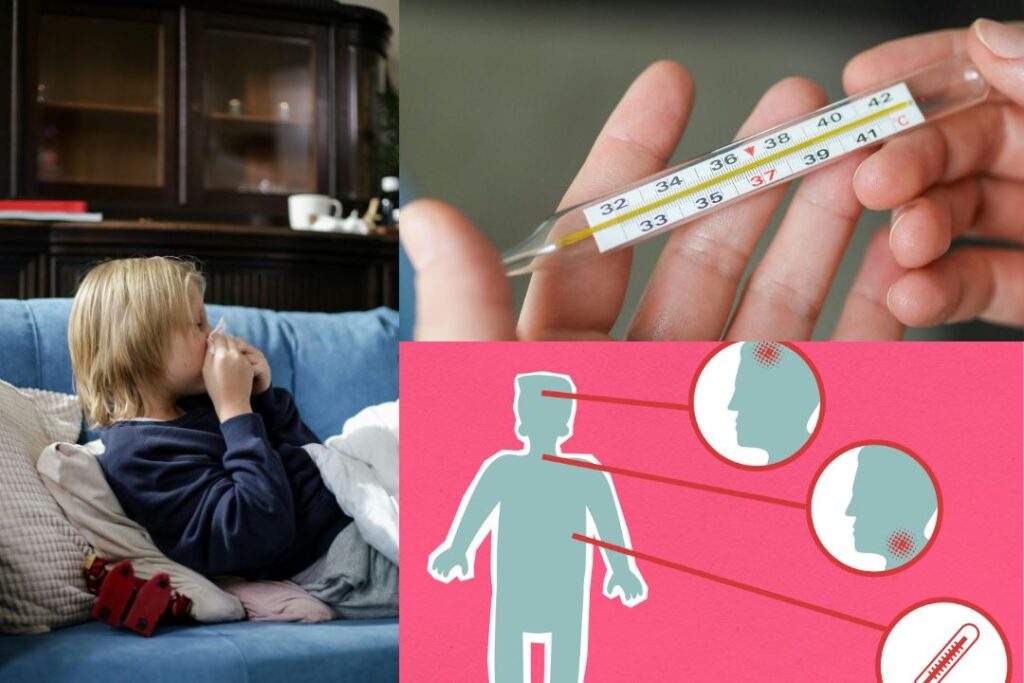
- Incubation Period: Typically 7-14 days but can range from 5-21 days.
- Early Symptoms: Fever, headache, muscle aches, back pain, swollen lymph nodes, chills, and fatigue.
- Rash Development: A few days after the fever, a rash typically starts on the face and spreads to other parts of the body. The rash evolves from macules (flat lesions) to papules (raised bumps), vesicles (fluid-filled blisters), pustules, and finally crusts before healing.
- Severity: Most cases are mild and self-limiting, but severe cases can occur, especially in immunocompromised individuals, children, or those with other health issues.
Diagnosis
- Clinical Examination: Identifying the characteristic rash.
- Laboratory Testing: Polymerase Chain Reaction (PCR) testing of lesion samples is the preferred method.
Treatment Monkey pox Virus
- Supportive Care: Most cases are treated symptomatically with fluids, pain management, and secondary infection prevention.
- Antivirals: Tecovirimat (TPOXX) is an antiviral approved for treating monkey pox, especially in severe cases.
Prevention
- Vaccination: The Jynneos and ACAM2000 vaccines are key preventive tools, especially for high-risk populations.
- Isolation and Hygiene: Personal protective equipment (PPE) is crucial for healthcare workers.
- Public Health Education: Awareness campaigns focusing on transmission routes, symptoms, and prevention measures are vital in controlling outbreaks.
Global Impact Monkey pox Virus
- Monkey pox is endemic in parts of Central and West Africa but gained international attention after the 2022 outbreak spread to non-endemic regions, resulting in increased global surveillance, research, and vaccination efforts.
Monkey pox Virus Public Health Response
- Surveillance: Monitoring cases and tracking potential contacts.
- Containment Measures: Quarantine and isolation of confirmed cases.
- Community Engagement: Educating communities about recognizing symptoms and seeking timely medical attention.
Current Research and Developments
Recent research has significantly advanced our understanding of the monkey pox virus. Firstly, scientists have identified new strains of the virus, leading to more accurate diagnostic methods. Consequently, there has been an improvement in vaccine development, with ongoing trials showing promising results. Additionally, researchers are exploring antiviral treatments that could reduce the severity and duration of infections. As a result, these developments are expected to improve both prevention and management of monkey pox outbreaks.
Conclusion
In summary, the monkey pox virus, while less prevalent than other diseases, poses significant health concerns due to its transmission and symptoms. By understanding its symptoms, modes of transmission, and prevention strategies, we can better manage and mitigate the risks associated with this virus. Public awareness and timely medical intervention are crucial in controlling outbreaks and protecting public health.