

 English


Japan Earthquake

Overview
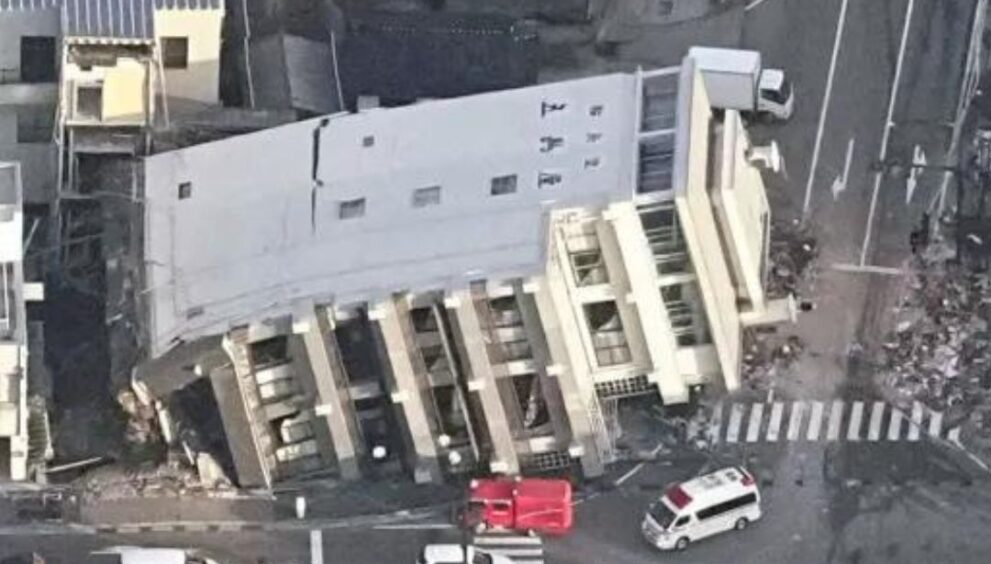
Initially, tremors shook the ground, leading to structural collapses and power outages. Consequently, authorities issued evacuation orders, urging residents to move to safer areas. Despite the challenges, the resilience of Japan’s infrastructure and the swift action of first responders helped mitigate the potential loss of life. Japan Earthquake.
Earthquake Early Warning System
Detection and Alerts Japan Earthquake
- Seismic Monitoring: Initially, advanced seismic networks detect tremors, providing early warnings. Subsequently, these alerts enable people to evacuate or take protective measures. Moreover, Japan’s robust infrastructure, designed to withstand quakes, further mitigates damage. Finally, continuous monitoring and research help improve preparedness, reducing the overall impact of future seismic events.
- Alert Distribution: Initially, local authorities issued warnings to residents in the affected areas. Subsequently, national channels broadcasted updates to ensure widespread awareness. Furthermore, evacuation routes were designated, and shelters were prepared. As a result, citizens were able to take immediate action. In addition, relief teams were mobilized to provide support. Finally, continued monitoring is in place to assess aftershocks and ensure public safety.
Public Response Japan Earthquake
- Immediate Actions: Upon receiving an earthquake warning, individuals are advised to take protective actions such as dropping to the ground, covering their heads, and holding on to sturdy furniture.
- Infrastructure Safety: The warning system also triggers automatic responses in public infrastructure, such as stopping trains, shutting down gas lines, and activating safety measures in buildings.
Tsunami Warning System Japan Earthquake
Tsunami Detection
- Seismic Data: Seismic data plays a crucial role in tsunami detection, especially in earthquake-prone regions like Japan. When an undersea earthquake occurs, seismic sensors detect ground motion and send real-time alerts. For example, during the Japan earthquake, seismic data was instrumental in predicting the tsunami’s scale and impact.
- Tsunami Buoys and Tide Gauges: Tsunami detection systems, such as buoys and tide gauges, play a critical role in monitoring oceanic changes.Tsunami buoys, placed in the deep ocean, measure sea level changes, while tide gauges positioned along coastlines record local water levels. Together, they provide early warnings, helping to save lives and minimize damage during such natural disasters.
Warning Issuance Japan Earthquake
- Tsunami Alerts: As a result, authorities quickly issued evacuation orders for coastal regions. Meanwhile, residents are advised to stay informed and prepare for potential high waves. Although the extent of damage remains unclear, early warnings aim to minimize risks.
- Evacuation Orders: In the event of a tsunami warning, authorities issue evacuation orders for coastal areas. Clear evacuation routes and designated shelters are established to help residents move to safer locations.
Public Education and Preparedness
Training and Drills
- Educational Programs: Japan conducts regular educational programs and drills to prepare the public for earthquakes and tsunamis. Schools, businesses, and communities participate in these exercises to practice emergency response procedures.
Emergency Kits and Plans
- Family Emergency Plans: When preparing for earthquakes in Japan, it’s essential to have both emergency kits and a solid family plan. Firstly, stock your kit with necessities like water, food, first-aid supplies, and flashlights. Equally important is ensuring each family member knows the evacuation route, meeting points, and communication methods during an emergency. Additionally, practice earthquake drills regularly to stay prepared.
Technology and Innovation
Advanced Warning Systems Japan Earthquake
- Real-Time Data Analysis: Japan’s advanced earthquake early warning systems utilize real-time data analysis to detect seismic activity and issue alerts seconds before a major quake hits.
Research and Development
- Seismic and Tsunami Research: Seismic and Tsunami Research: Initially, Japan has made significant strides in earthquake research and development. Consequently, these advancements have led to more effective tsunami warning systems. Moreover, ongoing studies continue to enhance our understanding of seismic activities, further improving disaster preparedness and response strategies
Enhancements and Future Directions Japan Earthquake
Integration with Global Systems
- International Collaboration: Japan works closely with international organizations and neighboring countries to share data and improve global earthquake and tsunami warning systems. Collaborative efforts enhance the accuracy of warnings and the coordination of response strategies across borders.
Advances in Technology
- Machine Learning and AI: Researchers are exploring the use of machine learning and artificial intelligence to analyze seismic data more quickly and accurately. These technologies have the potential to enhance early warning capabilities and predictive models.
- Enhanced Sensor Networks: The deployment of more sophisticated sensors and monitoring equipment can provide more detailed and precise data, leading to faster and more reliable warnings.
Community Involvement
- Local Response Teams: Initially, these teams swiftly mobilized to assess the damage and provide immediate aid. Subsequently, they coordinated with national agencies to streamline resources and support. Additionally, community volunteers actively participated, ensuring that relief efforts were both effective and compassionate.
- Public Engagement: Engaging the public in preparedness activities and disaster education is essential for building a culture of safety. Ongoing campaigns and initiatives aim to increase awareness and encourage proactive measures.
Policy and Infrastructure Development Japan Earthquake
- Building Regulations: Japan continuously updates building codes and regulations to ensure that structures can withstand earthquakes and tsunamis. Reinforced construction and retrofitting of older buildings are critical for minimizing damage.
- Resilience Planning: Long-term resilience planning involves assessing vulnerabilities and implementing strategies to strengthen infrastructure and community preparedness. This includes improving evacuation routes, enhancing disaster recovery systems, and supporting research into disaster resilience.
Psychological and Social Support
- Mental Health Services: Addressing the psychological impact of disasters is an important aspect of recovery. Japan provides mental health support and counseling services to help individuals cope with the stress and trauma associated with earthquakes and tsunamis.
- Community Support Networks: Strengthening social support networks and fostering community cohesion contribute to resilience and recovery. Post-disaster support systems help communities rebuild and recover more effectively.
Continuous Improvement and Feedback
- Post-Disaster Reviews: After each disaster, Japan conducts thorough reviews and evaluations of the response and recovery efforts. Lessons learned from these evaluations inform improvements in warning systems, emergency procedures, and public education.
- Feedback Mechanisms: Gathering feedback from the public and emergency responders helps identify areas for improvement and ensures that the warning systems and response strategies remain effective and relevant.
Case Studies and Lessons Learned Japan Earthquake
The 2011 Tōhoku Earthquake and Tsunami
- Impact: The 2011 Tōhoku earthquake and tsunami were among the most devastating natural disasters in recent history, causing widespread destruction, loss of life, and a nuclear crisis at Fukushima Daiichi.
- Response and Recovery: Emergency response teams, military personnel, and volunteers worked tirelessly to provide aid and support. The recovery process focused on rebuilding infrastructure, decommissioning the damaged nuclear plant, and addressing long-term social and environmental impacts.
The 2016 Kumamoto Earthquake

- Impact: The Kumamoto earthquake, a series of tremors including a major quake on April 16, caused significant damage in Kumamoto Prefecture, including collapsed buildings and infrastructure disruptions.
- Response and Recovery: The response involved local, regional, and national efforts to provide emergency relief, including temporary housing for displaced residents and repair of critical infrastructure. The use of mobile technology and social media played a role in coordinating aid and disseminating information.
Technological Innovations and Future Directions
Advanced Earthquake Prediction
- Seismic Wave Analysis: Advances in seismic wave analysis and prediction models aim to improve the accuracy and timing of earthquake alerts. Researchers are developing methods to better predict earthquakes by analyzing patterns in seismic activity and crustal stress.
- Early Warning Improvements: Enhanced algorithms and real-time data processing are being implemented to provide more precise and timely earthquake warnings.
Tsunami Early Warning Systems Japan Earthquake
- Deep Ocean Buoys: The deployment of advanced deep-ocean buoys equipped with sensors improves the detection of tsunami waves and enhances the accuracy of tsunami forecasts. These buoys provide critical data on wave height and travel time.
- Tsunami Modeling: Improved tsunami modeling techniques help predict the impact of tsunamis on coastal areas more accurately. These models incorporate real-time data to simulate tsunami propagation and potential effects.
Integration of Artificial Intelligence
- Data Analysis: AI and machine learning are being used to analyze vast amounts of seismic and oceanographic data. These technologies can identify patterns and predict events more effectively, leading to faster and more accurate warnings.
- Predictive Analytics: AI-driven predictive analytics models are being developed to forecast earthquake and tsunami risks based on historical data and real-time observations.
Community Engagement and Education

In Japan, community engagement and education are deeply intertwined. Firstly, schools often serve as central hubs, fostering strong connections between students, parents, and local residents. Additionally, lifelong learning is highly valued, with citizens actively participating in cultural and educational events. Furthermore, the Japanese emphasis on collective responsibility encourages everyone to contribute to community well-being. As a result, education extends beyond the classroom, shaping a society where knowledge and civic duty go hand in hand.
Public Awareness Campaigns
- Disaster Preparedness Programs: Ongoing public awareness campaigns focus on educating individuals and communities about earthquake and tsunami preparedness. These programs provide information on emergency kits, evacuation procedures, and safety measures.
- Interactive Drills: Interactive drills and simulation exercises are used to engage the public and practice response strategies in a realistic setting. These activities help individuals and communities become more familiar with emergency procedures and enhance their readiness.
Local Initiatives and Resilience Building
- Community-Based Programs: Local governments and organizations develop programs to strengthen community resilience, including neighborhood disaster response teams, community drills, and local hazard mapping.
- Collaboration with Schools: Educational institutions are involved in disaster preparedness efforts, including training students and staff on safety protocols and conducting school-wide emergency drills.
Japan Earthquake Safety
Before an Earthquake
- Prepare an Emergency Kit: Keep a kit with essentials like water, non-perishable food, a flashlight, batteries, a first aid kit, medications, and important documents.
- Create a Family Emergency Plan: Establish a plan that includes meeting points, communication methods, and roles for each family member.
- Secure Your Home: Fasten heavy furniture, appliances, and other items to walls. Ensure that emergency exits are accessible and clear.
- Know the Risks: Understand the seismic risks in your area and stay informed about local earthquake preparedness resources.
During an Japan Earthquake
- Drop, Cover, and Hold On: Drop to your hands and knees, cover your head and neck, and hold on to something sturdy to protect yourself from falling debris.
- Stay Indoors: If you’re inside, stay there and move away from windows, glass, and heavy objects.
- If You’re Outside: Move away from buildings, streetlights, and utility wires. Drop to the ground and protect your head and neck.
After an Earthquake
- Check for Injuries: Firstly, after an earthquake in Japan, it is crucial to check for injuries. Then, if possible, provide immediate first aid or seek professional medical assistance. Additionally, ensure that you stay calm and prioritize the most severe injuries to address them promptly
- Inspect Your Home: Firstly, check for any immediate hazards, such as gas leaks or structural damage. Additionally, examine the interior, paying close attention to ceilings and walls. Finally, ensure that your home is safe before re-entering or making any repairs.
- Listen to Official Information: Firstly, it is crucial to listen to official information following an earthquake. Secondly, stay tuned to updates from local authorities, as they will provide essential guidance on safety measures. Additionally, ensure that you follow evacuation orders and avoid entering damaged areas until they are deemed safe. Finally, remember that official sources will offer the most accurate and up-to-date information to help you stay safe during this critical time.
- Be Prepared for Aftershocks: Following a major earthquake in Japan, it is crucial to remain vigilant for aftershocks. Firstly, understand that aftershocks can occur hours, days, or even weeks after the initial quake. Moreover, they may be strong enough to cause additional damage. Therefore, it is important to have an emergency plan in place. In addition, ensure that your home is secure and that you have supplies readily available. Furthermore, listen to local authorities for updates and guidance.
Tsunami Safety
1. Understand Tsunami Risks Japan Earthquake
- Know Your Area: Research if you live in a tsunami-prone area. Coastal regions and areas near large bodies of water are at higher risk.
2. Create a Tsunami Preparedness Plan
- Designate an Evacuation Route: Identify and plan your evacuation route to higher ground or inland areas that are safe from tsunamis. Make sure everyone in your household knows the route.
- Establish Meeting Points: Choose a meeting point away from the coast where family members can gather after evacuation.
- Plan for Pets: Include your pets in your evacuation plan and ensure you have a way to transport them with you.
3. Prepare an Emergency Kit
- Tools and Supplies: Additionally, stock up on food and water to last for at least three days. It is also important to have a whistle to signal for help, along with a multi-tool or wrench to turn off utilities like gas or water. Finally, make sure to have sturdy shoes and a mask to protect against debris and dust.
4. Secure Your Home
- Elevate Valuable Items: Store important documents and valuables in a high, secure place to protect them from potential flood damage.
- Reinforce Property: If you live in a tsunami-prone area, consider reinforcing your property to minimize damage from potential flooding.
5. Educate Yourself and Your Family
- Practice Drills: Conduct regular tsunami evacuation drills with your family to ensure everyone knows what to do and where to go in the event of a tsunami warning.
6. Stay Informed Japan Earthquake
- Monitor Weather Alerts: Keep an eye on weather and tsunami alerts through official sources like local news, weather apps, and emergency services.
- Emergency Notifications: Sign up for emergency alerts and notifications from local authorities and disaster management agencies.
7. Prepare for Evacuation
- Know Emergency Contacts: Keep a list of emergency contacts, including family members, neighbors, and local emergency services.
8. Community Engagement
- Participate in Local Programs: Engage in community preparedness programs and attend local meetings to stay informed about tsunami risks and safety measures.
- Share Information: Spread awareness about tsunami preparedness within your community to help others prepare and stay safe.
General Safety Tips
Stay Informed Japan Earthquake
- Monitor Alerts: Stay updated on weather and disaster alerts through official channels like emergency broadcast systems, weather apps, and local news.
- Know Your Area: Be familiar with the emergency procedures and safety resources available in your community.
Practice Preparedness
- Drill Regularly: Conduct regular earthquake and tsunami drills with your family and community to ensure everyone knows what to do in an emergency.
- Educate Yourself: Learn about the signs of natural disasters and the best practices for staying safe.
Community Involvement Japan Earthquake
- Join Local Preparedness Groups: Engage with local disaster preparedness groups or community organizations to stay connected and informed.
- Volunteer: Get involved in community preparedness initiatives and contribute to local safety efforts.
Conclusion
Japan’s comprehensive approach to earthquake and tsunami preparedness reflects a commitment to protecting lives and minimizing the impact of natural disasters. Through a combination of advanced technology, public education, community involvement, and continuous improvement, Japan strives to enhance its resilience and response capabilities. By learning from past experiences and embracing innovations, Japan aims to build a safer and more prepared society, capable of effectively managing and mitigating the effects of future earthquakes and tsunamis.

