English


Independence Day

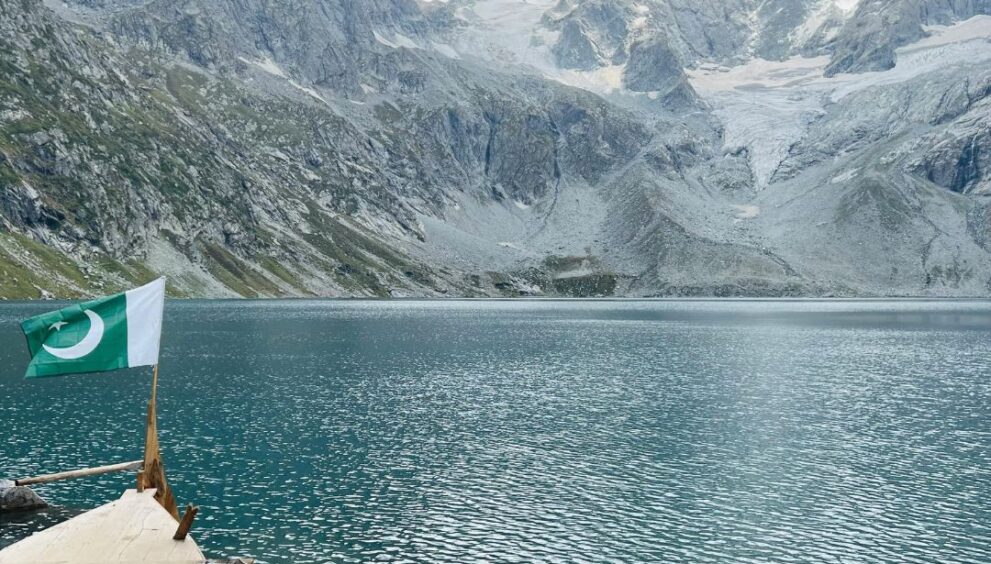
It marks the country’s independence from British rule in 1947 and the creation of a separate nation for Muslims in the Indian subcontinent.
Historical Significance
Background Independence Day:
- During the British colonial rule, tensions between the Hindu and Muslim communities were significant. The All-India Muslim League, under the leadership of Muhammad Ali Jinnah, advocated for the rights of Muslims and the creation of a separate state.
Partition of India:
- The demand for a separate nation was based on the Two-Nation Theory, which argued that Muslims and Hindus were distinct nations with their own customs and religion. This led to the partition of British India into two independent dominions: India and Pakistan.
Birth of Pakistan Independence Day:
- The birth of Pakistan on Independence Day marks a significant turning point in history. Firstly, after years of struggle, Pakistan emerged as an independent nation on August 14, 1947. Subsequently, this day symbolizes the end of British colonial rule and the fulfillment of the dream for a separate homeland for Muslims in the Indian subcontinent. Moreover, Independence Day is celebrated with great enthusiasm, reflecting the pride and resilience of the nation. In conclusion, it serves as a reminder of the sacrifices made for freedom and the vision of unity and progress for Pakistan.
National Holiday Independence Day:
- Independence Day, a significant national holiday, marks the celebration of freedom and sovereignty. On this day, citizens come together to honor the sacrifices of those who fought for independence. Moreover, it is a time of reflection and pride, as the country unites in patriotic celebrations. Ultimately, Independence Day serves as a reminder of the nation’s journey towards liberty and progress.
Independence Day Flag Hoisting:
- On Independence Day, as the flag rises high, the nation unites in pride and remembrance. First, the flag hoisting ceremony symbolizes freedom, followed by patriotic songs that echo the spirit of unity. Then, with the flag flying proudly, the celebrations remind us of the sacrifices made, and finally, the joy of liberty fills the hearts of all.
Speeches and Broadcasts:
- On Independence Day, speeches and broadcasts play a pivotal role in uniting the nation. To begin with, leaders often highlight the journey towards freedom, while also emphasizing the struggles and sacrifices made. Moreover, these addresses inspire citizens by reflecting on the nation’s achievements and challenges ahead. Additionally, the broadcasts create a sense of pride and patriotism, reminding everyone of the shared values and aspirations. As a result, they foster unity and encourage collective efforts for a better future. In conclusion, such speeches resonate deeply, reinforcing the significance of independence for generations to come.
Patriotic Spirit:
- Independence Day is a time to honor the sacrifices of those who fought for freedom. It serves as a reminder of unity and resilience, as we come together to celebrate our nation’s history and progress. Moreover, it inspires a sense of pride and responsibility, encouraging citizens to contribute to the nation’s continued growth and prosperity.
Geography Independence Day

Independence Day celebrations vary across different geographical regions. For instance, in coastal areas, festivities often feature beach parades, while inland communities may hold traditional fairs. Additionally, the weather can play a significant role; in warmer climates, outdoor events such as picnics and fireworks are common, whereas cooler regions might opt for indoor activities. Moreover, geographical diversity influences cultural expressions, as local customs and traditions are woven into Independence Day celebrations, reflecting the unique identity of each region. Ultimately, geography shapes not only the activities but also the overall atmosphere of Independence Day festivities across the globe.
- Ancient Civilizations: The region that is now Pakistan was home to some of the world’s earliest civilizations, including the Indus Valley Civilization, which thrived around 2500 BCE.
- Islamic Empires: Over the centuries, the area was part of various empires, including the Maurya, Gupta, and Mughal Empires. Islam became the dominant religion after the Arab conquests in the 7th and 8th centuries.
- British Rule: The British East India Company established control in the 18th century, and the region became part of British India.
- Partition and Independence: In 1947, Pakistan gained independence from British rule following the partition of India. This led to the creation of Pakistan as a separate Muslim-majority nation, initially comprising West Pakistan (modern-day Pakistan) and East Pakistan (now Bangladesh).
- Modern Era: Pakistan became a republic in 1956 and has experienced periods of military and civilian rule. The country has faced challenges such as political instability, conflicts, and economic development.
Culture Independence Day
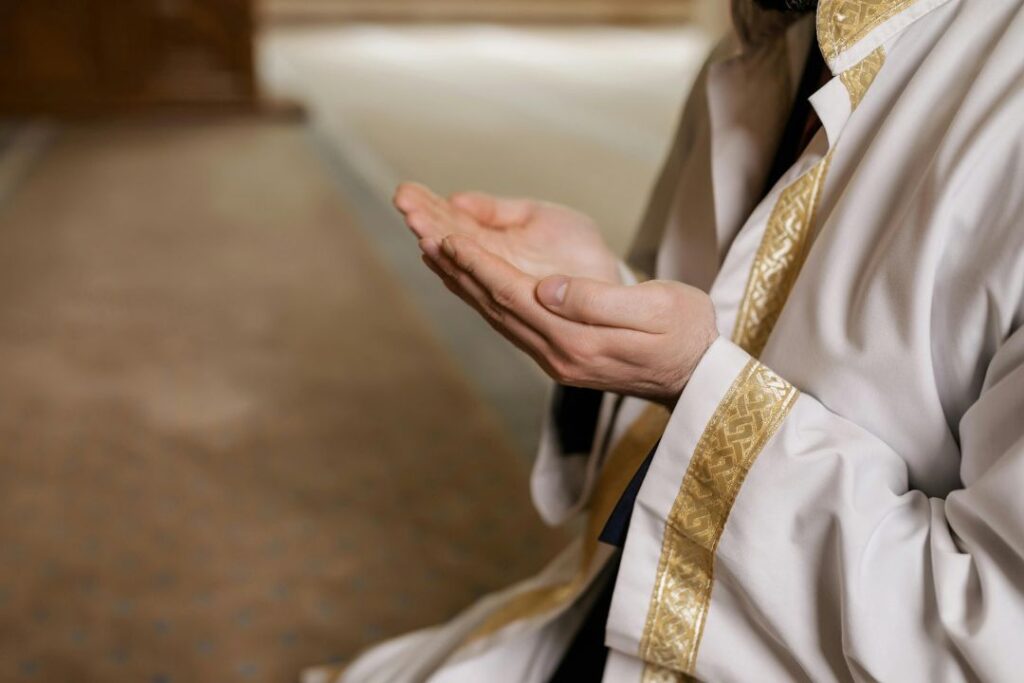
Independence Day is a celebration deeply rooted in the culture of a nation. It marks the moment when a country gained freedom and sovereignty. Traditionally, the day is filled with patriotic displays, from flag-raising ceremonies to parades. Moreover, it serves as a reminder of the struggles and sacrifices made by those who fought for independence. As a result, it strengthens the sense of national pride and unity. Furthermore, it provides an opportunity for citizens to reflect on their shared history and cultural identity, fostering a sense of community and belonging.
Independence Day Economy:
- Agriculture: Agriculture is a significant sector, employing a large portion of the population. Major crops include wheat, rice, cotton, and sugarcane.
- Industry: Pakistan has a diverse industrial sector, with textiles, garments, cement, and food processing being key industries. The country is also rich in natural resources, including coal, salt, and natural gas.
- Services: The services sector, including banking, telecommunications, and IT, has grown rapidly in recent years.
- Challenges: Despite economic growth, Pakistan faces challenges such as poverty, unemployment, and inadequate infrastructure.
Politics Independence Day:
- Government: Pakistan is a federal parliamentary republic, with a President as the head of state and a Prime Minister as the head of government. The country has a multi-party system.
- Foreign Relations: Pakistan maintains important strategic and economic relationships with countries like China, the United States, and Middle Eastern nations. It has a complex relationship with neighboring India, marked by territorial disputes and diplomatic tensions.
Society and Social Issues Independence Day:
- Education: Pakistan has made progress in improving literacy rates, but challenges remain, particularly in rural areas and for girls’ education.
- Healthcare: The healthcare system faces challenges, including access to quality services and addressing public health issues.
- Social Issues: Pakistan deals with issues such as gender inequality, child labor, and human rights concerns.
Environment Independence Day:
- Biodiversity: Pakistan is home to diverse ecosystems, including mountains, deserts, and wetlands, supporting a wide range of wildlife.
- Environmental Challenges: The country faces environmental challenges such as deforestation, pollution, and climate change impacts, including increased frequency of floods and droughts.
Reflection
Independence Day is a time for Pakistanis to reflect on their history, celebrate their national identity, and honor the sacrifices made by their forefathers for independence. It is a day of national pride, unity, and renewed commitment to the country’s progress and prosperity.