English


Gilgit-Baltistan


Gilgit-Baltistan: A Region of Natural Beauty and Strategic Significance.
Geography and Landscape Gilgit-Baltistan:
- Gilgit-Baltistan, located in northern Pakistan, boasts stunning landscapes and diverse geography. Firstly, it is home to towering peaks, including K2, the second-highest mountain in the world. In addition, the region features deep valleys, such as Hunza and Skardu, which are surrounded by majestic mountains and offer breathtaking views. Moreover, the Indus River flows through this area, adding to its scenic beauty and providing vital resources for the local population. Consequently, Gilgit-Baltistan has become a popular destination for trekkers and nature enthusiasts. Ultimately, its unique geography not only contributes to its natural beauty but also plays a crucial role in the culture and lifestyle of its inhabitants.
Gilgit-Baltistan Historical Background:
- Gilgit-Baltistan, located in northern Pakistan, has a rich and complex history. Initially inhabited by various ethnic groups, the region was influenced by multiple cultures due to its strategic location along ancient trade routes. In the early 20th century, Gilgit-Baltistan came under British control during the Great Game, a geopolitical struggle between the British Empire and Russia. Following the partition of India in 1947, the region became a focal point of conflict between India and Pakistan, leading to several wars over its territorial status. In 1948, Pakistan established direct administration over Gilgit-Baltistan, integrating it into the nation. Since then, the region has seen significant changes in governance, infrastructure development, and cultural exchange, all while grappling with its identity and political status within Pakistan. Today, Gilgit-Baltistan remains a vital area, celebrated for its stunning landscapes and diverse cultures, yet still seeking recognition and autonomy within the broader context of Pakistani governance.
Political Status and Governance:
- Initially, Gilgit-Baltistan has a unique political status within Pakistan, as it is not formally recognized as a province. Consequently, this lack of provincial status has led to ongoing debates about its governance. Furthermore, the region operates under a distinct administrative structure, governed by the Gilgit-Baltistan Empowerment and Self-Governance Order of 2009. However, despite this order, residents continue to advocate for greater political rights and representation. Ultimately, the governance of Gilgit-Baltistan reflects a complex interplay of local aspirations and national policies, requiring careful consideration and potential reform.
Gilgit-Baltistan Economic Importance and Challenges:
- Gilgit-Baltistan, known for its breathtaking landscapes, plays a crucial role in Pakistan’s economy. Firstly, its strategic location connects South Asia with Central Asia, enhancing trade opportunities. Economic Importance Moreover, the region is rich in natural resources, including minerals and hydropower potential. For instance, the harnessing of these resources can lead to increased energy production, benefiting both local and national economies. Additionally, tourism is a significant economic driver, attracting visitors to its stunning mountains and cultural heritage. Challenges. However, despite its potential, Gilgit-Baltistan faces several challenges. One major issue is inadequate infrastructure, which hampers trade and tourism. Furthermore, political instability and a lack of investment deter economic growth. Consequently, local communities often struggle with poverty and limited access to education and healthcare.
Cultural Diversity Gilgit-Baltistan:
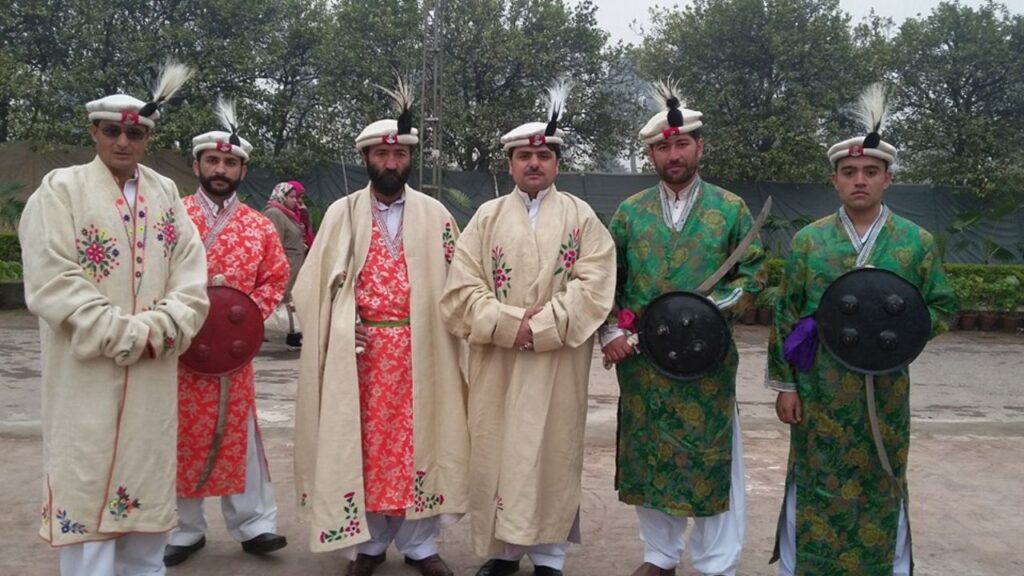
Gilgit-Baltistan is home to a diverse mix of ethnic groups, languages, and religious communities. Major ethnic groups include the Shina, Balti, Wakhi, and Burusho. Islam is the predominant religion, with Shia, Sunni, and Ismaili communities coexisting in the region.
Environmental Concerns and Climate Change Gilgit-Baltistan:
- Gilgit-Baltistan, renowned for its breathtaking landscapes, faces significant environmental challenges. Firstly, climate change has led to unprecedented glacial melting, resulting in rising water levels and increased flood risks. Moreover, shifting weather patterns have disrupted traditional agricultural practices, threatening food security for local communities. In addition, deforestation and overgrazing have exacerbated soil erosion, further damaging the region’s delicate ecosystem. Consequently, there is an urgent need for sustainable practices to combat these issues. Ultimately, raising awareness and implementing effective policies will be crucial in preserving Gilgit-Baltistan’s unique environment for future generations.
Gilgit-Baltistan Future Prospects:
- Gilgit-Baltistan, with its breathtaking landscapes and rich cultural heritage, holds significant potential for development. Firstly, the region’s tourism sector can thrive, attracting adventure seekers and nature lovers. Moreover, investment in infrastructure, such as roads and communication networks, can enhance connectivity and boost local economies. In addition, sustainable practices in agriculture and handicrafts can empower local communities while preserving the environment. However, challenges such as climate change and political instability must be addressed. Ultimately, by leveraging its natural resources and promoting regional stability, Gilgit-Baltistan can pave the way for a prosperous future.
Political and Strategic Significance Gilgit-Baltistan:
- Gilgit-Baltistan (GB) holds considerable political and strategic importance due to its geographical location and resources. First, it serves as a vital link between Pakistan and China, enhancing trade and connectivity through the China-Pakistan Economic Corridor (CPEC). Furthermore, GB’s proximity to the borders of India and Afghanistan makes it a focal point in regional security dynamics. In addition, the region is rich in natural resources, including minerals and water, which are crucial for economic development. This abundance underscores the strategic interest of various stakeholders, including Pakistan, China, and India. Moreover, the local population’s sentiments regarding autonomy and governance play a significant role in shaping political stability in the area. Overall, the political and strategic significance of Gilgit-Baltistan is underscored by its critical location, economic potential, and geopolitical relevance.
Development Opportunities and Challenges:
- The region’s development is intricately tied to infrastructure projects and economic initiatives. The expansion of road networks, including the Karakoram Highway, and investments in energy projects are crucial for unlocking Gilgit-Baltistan’s economic potential. The region’s natural resources, including minerals and gemstones, present opportunities for economic growth. Development projects need to address the harsh terrain and extreme weather conditions that pose significant challenges.
Tourism Management and Sustainable Practices:
- Tourism is a vital part of Gilgit-Baltistan’s economy, with its awe-inspiring landscapes attracting visitors from around the world. To sustain and enhance this sector, it is essential to implement responsible tourism practices. This includes managing visitor numbers, protecting fragile ecosystems, and promoting eco-friendly initiatives.
Gilgit-Baltistan Education and Healthcare Needs:
- Gilgit-Baltistan faces significant challenges in both education and healthcare. Firstly, access to quality education is limited, particularly in remote areas. Moreover, the infrastructure is often inadequate, resulting in high dropout rates. Consequently, many young people lack the skills necessary for employment. In addition, healthcare services are scarce, with few hospitals and clinics equipped to handle emergencies. As a result, residents frequently travel long distances for medical care, which can be both costly and time-consuming. Therefore, addressing these pressing needs is essential for the overall development of Gilgit-Baltistan.
Youth Activism and Political Engagement:
- The younger generation in Gilgit-Baltistan is increasingly engaged in political and social activism. With the rise of digital connectivity and social media, young people are more informed about their rights and are vocal in their demands for greater autonomy and representation. This activism is shaping the region’s political landscape and pushing for reforms that align with the aspirations of the local population.
Balancing Modernization and Cultural Preservation:
- As Gilgit-Baltistan develops, balancing modernization with cultural preservation is essential. The region’s rich cultural heritage, including its languages, traditions, and religious practices, is a valuable asset. Efforts to document and promote this heritage, alongside development initiatives, can help maintain the region’s unique identity amidst rapid change.
Gilgit-Baltistan Governance and Political Evolution:
- The evolving governance structure in Gilgit-Baltistan reflects the ongoing debates about its political status. A shift towards provincial status could potentially impact Pakistan’s position on the Kashmir dispute, raising complex legal and diplomatic questions.
- Local leaders and activists argue that full provincial status would enable better resource allocation, enhanced development, and greater political representation. The existing ambiguity has led to calls for reform and clearer constitutional status, allowing Gilgit-Baltistan to fully participate in Pakistan’s political processes and benefit from the same rights and opportunities available to other provinces.
Economic Integration and Infrastructure Development:
- Economic integration and infrastructure development in Gilgit-Baltistan are crucial for the region’s growth. Firstly, improved infrastructure, such as roads and bridges, facilitates trade and connectivity, thereby enhancing economic opportunities. Moreover, investment in infrastructure projects can attract tourism, which is vital for the local economy. In addition, as the region integrates with broader economic networks, local communities can access new markets and resources. Consequently, this integration not only boosts the economy but also promotes social development. Ultimately, sustained efforts in infrastructure development will pave the way for a prosperous future for Gilgit-Baltistan.
Environmental Sustainability and Climate Action:
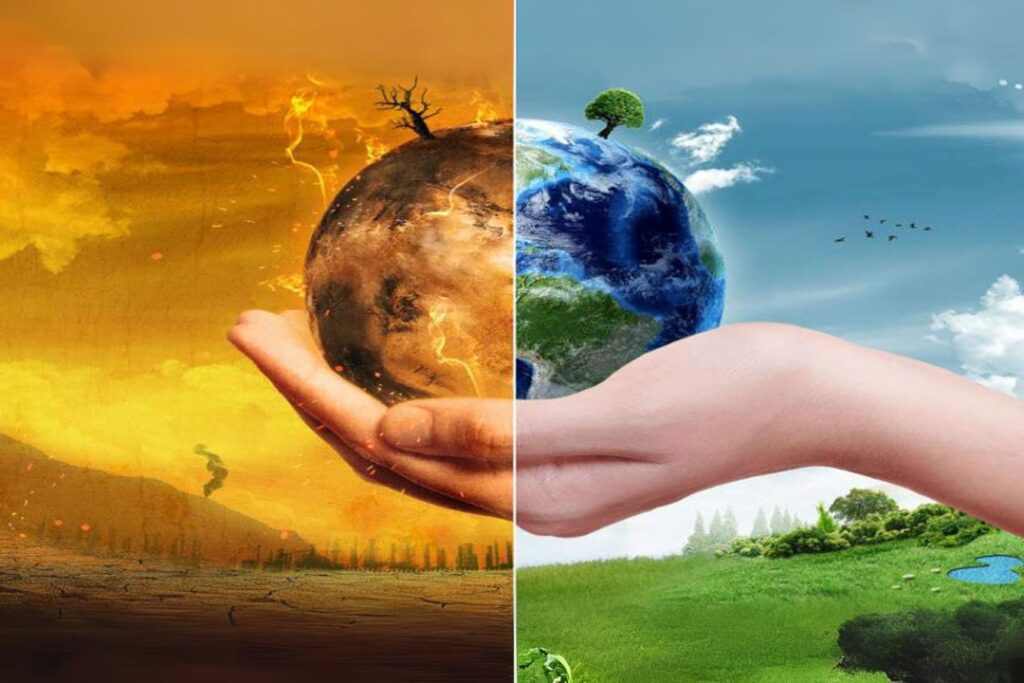
Addressing environmental challenges is crucial for the future of Gilgit-Baltistan. The potential for glacial lake outburst floods (GLOFs) and other climate-related hazards requires proactive measures in disaster management and climate adaptation. Sustainable development practices are essential to mitigate environmental impacts. Efforts to protect natural habitats, manage waste, and promote renewable energy sources can help preserve the region’s ecological balance. Collaboration between local communities, government agencies, and environmental organizations is necessary to develop and implement effective strategies for climate resilience.
Cultural Heritage and Community Engagement Gilgit-Baltistan:
- Preserving Gilgit-Baltistan’s diverse cultural heritage is vital amidst modernization. The region’s unique traditions, languages, and religious practices are integral to its identity. Cultural preservation efforts should include documenting and promoting local customs, supporting traditional crafts, and fostering intercommunity dialogue.
- Engaging local communities in development projects ensures that their cultural values and practices are respected.
Youth Empowerment and Political Participation:
- The active involvement of Gilgit-Baltistan’s youth in political and social issues reflects a growing demand for change. Empowering young people through education, vocational training, and leadership opportunities can harness their potential to drive positive development. Youth engagement in politics and civil society can lead to more inclusive and responsive governance.
- The increasing use of social media and digital platforms has amplified the voices of Gilgit-Baltistan’s younger generation, allowing them to advocate for their rights and influence national discourse. Supporting youth initiatives and fostering an environment where young people can contribute to decision-making processes is key to building a more equitable and dynamic society.
Gilgit-Baltistan Regional Cooperation and International Relations:
- Gilgit-Baltistan’s strategic location necessitates cooperation with neighboring countries. Engaging in regional dialogues and partnerships can enhance stability and economic development. Balancing national interests with regional cooperation can help Gilgit-Baltistan leverage its strategic position for economic and social advancement.
Social Cohesion and Community Development:
- Fostering social cohesion is essential for the stability and development of Gilgit-Baltistan. Promoting inclusivity and mutual respect among different groups can help maintain harmony and create a more unified society.
- Community development programs should focus on improving living conditions, providing access to essential services, and empowering local residents. Initiatives that address poverty, support small businesses, and enhance local infrastructure can improve quality of life and build resilience against economic and environmental challenges.
Health and Wellness Gilgit-Baltistan:
- In recent years, as a result, the health and wellness sector in Gilgit-Baltistan has gained significant attention. Furthermore, initiatives have been launched to improve healthcare access in remote areas. However, challenges remain, particularly regarding mental health services and maternal care. Consequently, local organizations are working tirelessly to raise awareness and provide essential resources. In addition, partnerships with national and international NGOs are proving beneficial, thus enhancing the overall health outcomes for the community. Ultimately, a comprehensive approach is needed to address these issues and promote a healthier future for the residents of Gilgit-Baltistan.
Educational Advancements Gilgit-Baltistan:

Education is a cornerstone for the region’s development and empowerment. Expanding educational opportunities, improving school facilities, and enhancing the quality of education are essential for preparing the younger generation for future challenges. Collaboration with educational institutions, NGOs, and international organizations can help support and implement effective educational strategies.
Infrastructure and Connectivity Gilgit-Baltistan:
- Developing infrastructure is fundamental to unlocking Gilgit-Baltistan’s economic potential. Enhancing connectivity through better roads, bridges, and telecommunications can facilitate trade, improve access to services, and stimulate economic activities. The Karakoram Highway and other key transportation links are crucial for integrating the region with national and international markets.
- Infrastructure development should be carried out with careful planning to minimize environmental impacts and ensure long-term sustainability. Engaging local communities in the planning process can help address their needs and preferences, leading to more effective and inclusive development outcomes.
Environmental Protection and Sustainability:
- Sustainable management of natural resources is crucial for preserving Gilgit-Baltistan’s environment. Efforts to protect forests, manage water resources, and prevent land degradation are important for maintaining the region’s ecological balance . Investing in renewable energy sources and promoting energy efficiency can contribute to reducing the region’s carbon footprint and enhancing its resilience to environmental changes.
Cultural Preservation and Promotion:
- Gilgit-Baltistan’s rich cultural heritage is a valuable asset that should be preserved and celebrated. Documentation and promotion of local languages, traditions, and historical sites are essential for safeguarding cultural legacy.
- Cultural preservation efforts should involve local communities and respect their customs and practices. Engaging youth in cultural activities and education can foster a sense of pride and continuity, ensuring that traditions are passed down to future generations.
Regional and International Cooperation:
- Building strong regional and international partnerships can enhance Gilgit-Baltistan’s development prospects. Collaboration with neighboring countries and international organizations on trade, security, and environmental issues can provide opportunities for growth and stability. Effective diplomacy and regional engagement are key to leveraging the region’s strategic location for mutual benefit.
Conclusion:
Gilgit-Baltistan stands at a crossroads where its natural beauty, strategic significance, and cultural richness intersect with complex political and economic dynamics. The path forward involves addressing the region’s developmental needs, managing environmental challenges, and ensuring that its people have a voice in national decisions. By navigating these complexities thoughtfully, Pakistan can help secure a prosperous and stable future for Gilgit-Baltistan, one that respects its unique heritage and meets the aspirations of its residents. Balancing modernization with preservation, ensuring equitable development, and fostering inclusive governance will be crucial in shaping the region’s trajectory. By aligning local aspirations with national and regional priorities, Gilgit-Baltistan can move towards a future that respects its unique identity and maximizes its potential for growth and stability.