English


Care For Dogs


1. Proper Nutrition for Your Dog Care For Dogs:
Provide your dog with a balanced diet rich in proteins, vitamins, and minerals. Choose high-quality dog food suitable for your pet’s breed, size, and age. Ensure access to fresh water at all times. Care For Dogs.
2. Regular Exercise and Physical Activity:
Dogs need daily exercise to maintain a healthy weight and stay mentally stimulated. Take your dog for walks, play fetch, and engage in other activities suited to their energy level. Care For Dogs. Regular exercise and physical activity are essential for the overall well-being of dogs. To begin with, consistent exercise helps maintain a healthy weight, which is crucial in preventing obesity-related health issues. Moreover, physical activity improves cardiovascular health, thereby reducing the risk of heart disease. Additionally, regular exercise enhances muscle strength and joint flexibility, which is especially important for older dogs. Furthermore, engaging in physical activities provides mental stimulation, helping to prevent boredom and destructive behaviors. In summary, incorporating regular exercise into a dog’s routine significantly contributes to their physical and mental health, ensuring a happier, healthier life.
3. Grooming and Hygiene:
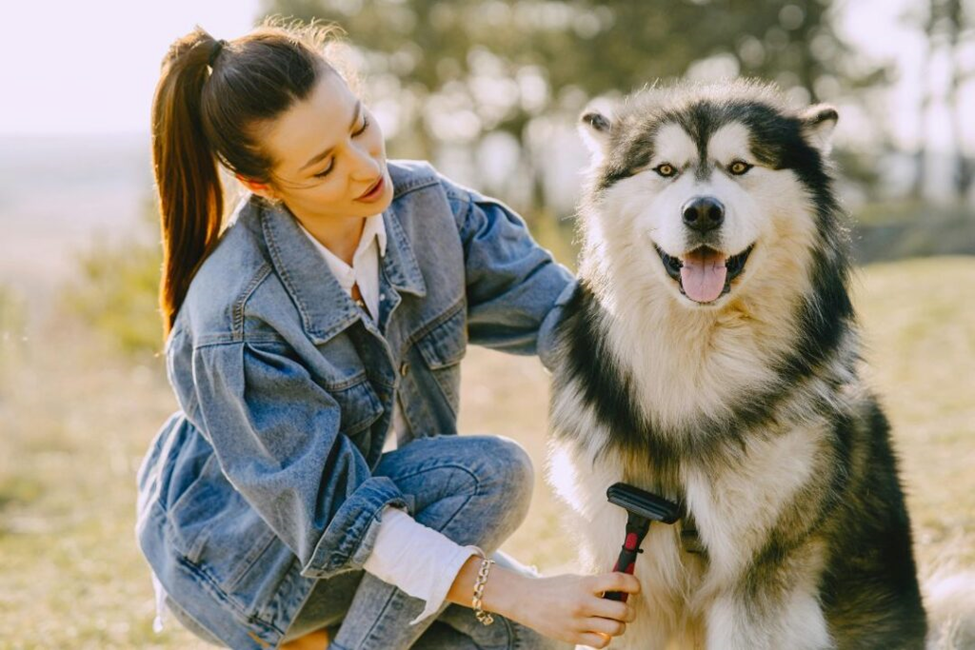
Regular grooming keeps your dog clean and healthy. Brush their coat according to their breed’s needs, bathe them periodically, and trim their nails. Care For Dogs don’t forget to check and clean their ears and teeth.
4. Routine Veterinary Check ups:
By catching these issues early, you can address them before they become serious, potentially saving your pet from unnecessary pain and expensive treatments. routine checkups help in keeping your pet up to date with vaccinations and preventive care. Vaccinations, such as those for rabies or distemper, are crucial in preventing life-threatening diseases. your vet can recommend preventive measures, such as flea, tick, and heartworm treatments, that are tailored to your pet’s lifestyle and environment. important aspect of routine veterinary checkups is maintaining your pet’s overall health through regular monitoring of weight, diet, and behavior. During the checkup, your vet can provide guidance on proper nutrition, exercise, and dental care, all of which are vital for your pet’s long-term health, they might suggest dietary changes if your pet is overweight or provide advice on dental hygiene to prevent issues like periodontal disease.
5. Socialization and Training Care For Dogs:
Introduce your dog to different environments, people, and other animals. Proper socialization helps them become well-adjusted pets. Invest time in basic training, focusing on obedience commands like sit, stay, and come.
6. Creating a Safe and Comfortable Environment:
Ensure your dog has a safe living space with a comfortable bed, toys, and access to food and water. Remove hazards and provide a secure outdoor area if possible. Care For Dogs.
7. Mental Stimulation and Enrichment:
Dogs thrive with mental challenges. Use puzzle toys, training sessions, and games to keep their minds sharp. Regular interaction and playtime are essential for their well-being. When it comes to caring for dogs, mental stimulation and enrichment are just as important as physical exercise. Firstly, providing mental challenges can help prevent boredom, which, in turn, reduces the likelihood of destructive behaviors. For instance, puzzle toys, interactive games, and training sessions can engage a dog’s mind, keeping them alert and content. Moreover, social interactions, whether with humans or other dogs, are essential for a dog’s emotional well-being. In addition to these activities, rotating toys and introducing new scents can further stimulate their senses. Consequently, dogs that receive adequate mental stimulation are often happier and healthier. Ultimately, incorporating enrichment into a dog’s daily routine not only improves their quality of life but also strengthens the bond between the dog and their owner.
8. Recognizing Signs of Illness or Distress Care For Dogs:
Be aware of any changes in behavior, eating habits, or physical appearance. Common warning signs include lethargy, vomiting, diarrhea, or unusual barking. Consult a vet if any of these symptoms appear. When it comes to caring for your dog, recognizing signs of illness or distress is crucial. To begin with, a sudden change in behavior, such as increased lethargy or irritability, can be an early indicator that something is wrong. In addition, physical symptoms like vomiting, diarrhea, or a loss of appetite are clear signs that your dog might not be feeling well
Furthermore, keep an eye on their breathing patterns. For instance, if your dog is panting excessively or struggling to breathe, it may be a sign of a more serious condition. Moreover, changes in their eyes, such as redness or discharge, could indicate an infection or injury.
Besides these signs, don’t overlook the importance of regular grooming and checking for lumps or bumps, as these could be early signs of more serious conditions like cancer. Similarly, if you notice your dog scratching or licking a particular spot excessively, it could point to skin issues or allergies.
On the other hand, not all signs are obvious. For example, subtle changes in your dog’s behavior, such as avoiding contact or hiding more often, can also suggest that something is amiss. Therefore, it’s essential to monitor your dog’s behavior and physical condition regularly.
9. Providing Love and Companionship:
Firstly, love forms the foundation of our relationships, fostering a sense of belonging and security. companionship brings warmth and comfort, especially during times of solitude or hardship. those who give their time and affection contribute to the emotional well-being of others, creating bonds that are both deep and enduring. emotional support, love and companionship offer a sense of purpose, when we care for others, we are not only enriching their lives but also finding fulfillment in our own.
Dog Breeds Categories Care For Dogs!

1. Siberian Husky and Rottweiler Care for Dogs:
When choosing a dog breed, it’s important to consider various characteristics, and the Siberian Husky and Rottweiler each have distinct traits. Firstly, the Siberian Husky is renowned for its striking appearance, characterized by its thick coat and piercing blue eyes. In contrast, the Rottweiler has a more robust and muscular build, making it well-suited for protection and strength. Moreover, while Huskies are known for their friendly and outgoing nature, they often exhibit a high level of independence and energy. On the other hand, Rottweilers are generally more reserved but are highly loyal and protective of their families
2. Border Collie and German Shepherd:
shepherd stand out due to their distinct characteristics. Firstly, Border them ideal for complex tasks such as herding and competitive obedience. In contrast, German Shepherds, while also highly intelligent, are celebrated for their versatility and strength, excelling in roles such as police and service Moreover, Border Collies often require constant mental stimulation and are known for their boundless energy, whereas German Shepherds are more. Therefore, while both breeds exhibit remarkable traits, the choice.
3. Chihuahua and Pomeranian Care for Dogs:
Is characterized by their small size and playful nature, making them perfect companions for city dwellers. the hound category, Although the Chihuahua and Pomeranian are both small dog breeds, they differ significantly in temperament and appearance; however, they share a lively and affectionate nature, making them popular choices for companion pets.
4. Beagle and Greyhound:
Although both Beagle and Greyhound are popular dog breeds, they differ significantly in temperament and physical characteristics; however, both are equally beloved by dog enthusiasts around the world.
5. Jack Russell and Scottish Terrier Care for Dogs:
Although the Jack Russell is known for its energetic nature, the Scottish Terrier, on the other hand, tends to be more reserved; however, both breeds share a strong sense of loyalty to their owners.
6. Lastly Care for Dogs:
When considering the my riad of reasons why dogs are often regarded as humans’ best friends, it’s impossible to overlook their unwavering loyalty and the joy they bring to our lives. Moreover, their playful nature not only entertains but also encourages us to be more active, reminding us of the simple joys in life, like taking a walk in the park or playing fetch. Whether it’s their protective instincts that keep us safe, their boundless energy that motivates us to stay fit, Lastly, it’s the deep bond we share with these loyal companions that solidifies their place in our hearts, making them irreplaceable members of our families.
7. Bulldog and Dalmatian:
Both the Bulldog and Dalmatian are popular dog breeds; however, they differ significantly in temperament and appearance. Encompasses a variety of breeds that don’t quite fit into the other categories, yet they each bring their unique charm and characteristics to the table.
Popular dog breeds?

Here are some of the most popular dog breeds Care For Dogs:
1. Labrador Retriever:
Known for being friendly, loyal, and great with families, Labrador Retrievers are consistently among the most popular breeds worldwide.
2. German Shepherd Care for Dogs:
Intelligent, protective, and versatile, German Shepherds are commonly used in police and military roles but are also loving family pets.
3. Golden Retriever:
Affectionate and eager to please, Golden Retrievers are known for their friendly demeanor and are great with children.
4. Bulldog Care for Dogs:
Bulldogs have a calm and courageous temperament. Their distinctive wrinkled faces and stocky build make them easily recognizable.
5. Beagle:
Beagles are curious, friendly, and excellent scent hounds. They’re great for families and love outdoor activities.
6. Poodle:
Poodles are highly intelligent and come in three sizes: standard, miniature, and toy. They’re known for their hypoallergenic coats and versatility.
7. French Bulldog:
French Bulldogs are small, muscular dogs with distinctive bat-like ears. They’re affectionate and adapt well to apartment living.
8. Rottweiler Care for Dogs:
Rottweilers are strong and confident dogs with a protective nature. They are loyal companions and excellent guard dogs.
9. Dachshund:
They come in both smooth, long, and wire-haired coat varieties.
10. Siberian Husky:
When choosing a dog to keep in your house, it’s important to consider factors like space, the dog’s temperament, and your family’s needs.
Small to Medium-Sized Dogs (Great for Apartments or Small Homes):
1. French Bulldog:
Compact and low-energy, French Bulldogs are perfect for small spaces. They are affectionate and require minimal exercise.
2. Cavalier King Charles Spaniel:
Gentle, friendly, and adaptable, these dogs are great for households of all sizes. They’re known for being affectionate and good with kids
3. Shih Tzu Care for Dogs:
They are relatively low-maintenance but enjoy playtime.
4. Pomeranian:
Despite their fluffy coats, they are easy to groom and can thrive in apartments or houses care-for-dogs.
Medium to Large Dogs (For Larger Homes): Care For Dogs!

1. Golden Retriever:
They require space for exercise but are excellent indoor companions.
2. Labrador Retriever Care for Dogs:
Labrador Retrievers are versatile and friendly. They do well in houses with space to move around, and they’re great with families and children.
3. Beagle:
Beagles are small to medium-sized dogs that are friendly, curious, and adaptable. They do well in houses with a yard where they can explore.
4. Cocker Spaniel Care for Dogs:
Cocker Spaniels are affectionate and good with kids. They adapt well to living indoors and require moderate exercise.
Calm and Low-Energy Dogs (Perfect for Indoor Living) Care For Dogs:
1. Bulldog:
Bulldogs are low-energy and love lounging indoors. They are good with kids and adapt well to small spaces.
2. Bichon Frise:
These small, cheerful dogs are hypoallergenic and do well in homes. They’re playful and enjoy being close to their family.
3. Maltese Care for Dogs:
Maltese are small, friendly dogs that are well-suited for indoor living. They’re affectionate and require minimal exercise care-for-dogs.
When Choosing a Dog for Your House:
When choosing a dog for your house, it’s important to consider several factors to ensure you select the right breed for your lifestyle. First, think about the size of your living space. For instance, if you live in an apartment, a smaller breed might be more suitable. On the other hand, if you have a large backyard, a bigger dog could thrive. Additionally, consider the dog’s energy level. Moreover, some dogs require more exercise and attention, while others are more independent. Furthermore, it’s essential to consider any allergies or sensitivities in your household. Ultimately, choosing the right dog involves a balance of these considerations to find the perfect fit for your home.
Here are the key considerations Care For Dogs
1. Size of the Dog:
Small Breeds: Breeds like Chihuahuas, Pomeranians, and Shih Tzus are ideal for apartments or smaller homes with limited space.
Medium Breeds: Breeds like Beagles, Cocker Spaniels, and Bulldogs fit well in homes with moderate space and a small yard.
Large Breeds: Breeds like Golden Retrievers, German Shepherds, and Labradors require more space to move around and often need access to a yard.
2. Energy Level and Exercise Needs Care For Dogs:
High-Energy Dogs: Breeds like Border Collies, Siberian Huskies, and Jack Russell Terriers need lots of physical activity. They require regular walks, playtime, and mental stimulation.
Low-Energy Dogs: Breeds like Bulldogs, Basset Hounds, and Pugs are more relaxed and require less exercise, making them suitable for more laid-back households care-for-dogs.
3. Temperament and Personality:
Family-Friendly: Breeds like Labrador Retrievers, Golden Retrievers, and Cavalier King Charles Spaniels are gentle and good with children.
Independent: Breeds like Shiba Inus, Basenjis, and Akitas tend to be more independent and might require less constant attention.
Social and Affectionate: Breeds like Poodles, Bichon Frises, and French Bulldogs thrive on human interaction and love being part of the family.
Grooming and Maintenance Care for Dogs
1. Low-Maintenance Coats:
Breeds like Dachshunds, Boxers, and Beagles have short coats that are easy to care for.
2. High-Maintenance Coats:
Breeds like Poodles, Shih Tzus, and Afghan Hounds require regular grooming and coat care.
3. Shedding Considerations:
Breeds like Siberian Huskies, German Shepherds, and Golden Retrievers shed heavily, requiring more frequent cleaning and grooming Care for Dogs.
Living Space Care for Dogs
Homes with Yards:
Active breeds: Australian Shepherds, Labradors, and Border Collies benefit from a yard where they can run and play freely.
Climate Considerations: Siberian Huskies thrive in cold environments, while Chihuahuas prefer warmer climates.
Time and Lifestyle Compatibility Care for Dogs
1. Time for Training and Interaction:
When it comes to caring for dogs, establishing a routine that incorporates both training and interaction is crucial, it’s important to setting aside regular time for training not only helps in developing good behavior but also strengthens the bond between you and your dog. training significantly enhance its quality of life. such interactions allow your dog to. Similarly, this time together gives you the opportunity to reinforce positive behaviors
2. Work and Travel Schedule:
If you’re often away from home, choose a breed that is more independent or can comfortably stay alone for longer periods.
3. Other Pets and Family Members:
Consider how a new dog will fit in with existing pets or young children. Breeds known for being good with other animals include Beagles and Golden Retrievers Care For Dogs.
Health and Lifespan: Care for Dogs
1. Common Health Issues:
When considering the overall health and lifespan of dogs, it is essential to recognize that, just like humans, dogs require consistent care and attention to maintain their well-being. First and foremost, regular veterinary visits play a critical role in identifying and addressing potential health concerns before they become severe. maintaining a balanced diet tailored to the dog’s age, breed, and size is paramount to preventing obesity, which is a common precursor to various health issues. Additionally, understanding these issues early on can help in preventing more serious complications. Moreover, regular veterinary check-ups and proper care can significantly reduce the risk of many health problems. Furthermore, being aware of common symptoms allows for timely intervention and treatment. Consequently, addressing these health concerns promptly can lead to a happier and healthier life for dogs.
2. Lifespan:
Smaller breeds like Chihuahuas and Dachshunds tend to live longer (12-16 years) than larger breeds like Great Danes (7-10 years). When considering the lifespan of dogs, it is crucial to recognize that proper care plays a significant role in their longevity. Moreover, providing a balanced diet and regular exercise contributes to a healthier, longer life. Additionally, routine veterinary check-ups and vaccinations are essential for preventing common diseases. Furthermore, attention to dental hygiene and mental stimulation can greatly enhance a dog’s quality of life. Consequently, these factors collectively influence not only the lifespan but also the overall well-being of dogs
Purpose and Role of the Dog Care for Dogs
1. Companionship:
Breeds like Bichon Frises, Cavalier King Charles Spaniels, and Pugs are perfect companions and lap dogs.
2. Guarding and Protection:
Breeds like German Shepherds, Rottweilers, and Dobermans are excellent for home protection.
3. Service and Therapy Dogs:
Breeds like Labrador Retrievers, Poodles, and Golden Retrievers excel in service and therapy roles.
Care For Dogs
The best breed for your house depends on your living situation and preferences. If you’re looking for a friendly, adaptable dog, many of the breeds listed above could be a good fit! Several dog breeds are known for their loyalty, often forming strong bonds with their owners and families. Here are some of the most loyal dog breeds Care For Dogs:
Loyal Dog Breeds Care For Dogs!
1. German Shepherd Care For Dogs:
German Shepherds are highly intelligent and fiercely loyal. When it comes to caring for German Shepherds, it’s essential to provide them with the best possible environment to ensure their health and happiness. Since German Shepherds are active and energetic, they require a well-balanced diet that supports their energy levels. Therefore, choosing high-quality dog food that meets their nutritional needs is crucial.
2. Labrador Retriever:
Labrador Retrievers are friendly and loyal. They are known for their affectionate nature and are very committed to their families. Labrador Retrievers are among the most popular dog breeds worldwide. Firstly, they are known for their friendly and outgoing nature, which makes them excellent family pets. In addition, their intelligence and eagerness to please make them highly trainable, whether for basic commands or advanced tasks.
3. Golden Retriever Care for Dogs:
They are great with families, making them one of the most popular breeds worldwide.
4. Akita Care for Dogs:
Akitas are renowned for their unwavering loyalty and protective instincts. They are known for their devotion and can be reserved with strangers.
5. Rottweiler Care For Dogs:
Rottweilers are loyal, protective, and confident. They are known to be devoted to their families and are often used as guard dogs Care For Dogs.
6. Doberman Pinscher:
Dobermans are highly loyal and protective. Caring for a Doberman Pinscher requires dedication, but with the right approach, it can be a rewarding experience. To begin with, Dobermans are known for their intelligence and loyalty, which means they thrive in environments where they are mentally and physically stimulated. Moreover, regular exercise is crucial for maintaining their health, as this breed has high energy levels that need to be managed daily. In addition to physical activity, mental stimulation through training or puzzle toys is equally important. On the other hand, neglecting their exercise needs can lead to behavioral issues, including anxiety or destructive tendencies.
7. Beagle:
Beagles are affectionate and loyal companions. They love being around their family and have a friendly, social nature. When caring for a Beagle, it is essential to understand their specific needs. First and foremost, Beagles require regular exercise due to their high energy levels. Additionally, proper nutrition is crucial for maintaining their health and weight. Moreover, regular grooming and routine veterinary check-ups are necessary to keep them in optimal condition. Furthermore, Beagles are known for their intelligence and strong sense of smell, which means mental stimulation is equally important. Consequently, providing a well-rounded care routine will ensure that your Beagle remains happy and healthy.
8. Border Collie:
Border Collie: Known for their intelligence and agility, the Border Collie is a breed that captures the hearts of dog enthusiasts worldwide. First and foremost, these dogs are highly trainable, which makes them excellent companions for those who are active and enjoy spending time outdoors., their natural herding instincts make them ideal for working on farms, where they can manage livestock with remarkable precision.
9. Siberian Husky Care For Dogs:
Is a medium-sized working dog breed known for its striking appearance and energetic personality. Originally bred by the Chukchi people of Siberia, Huskies were used as sled dogs in harsh, snowy conditions. Here are some key features and traits of Siberian Huskies.
Why Are These Dogs Loyal? Care For Dogs?
1. Strong Bonds:
Strong Bonds Care for Dogs is a philosophy that emphasizes the importance of relationships between humans and their canine companions. First and foremost, this approach recognizes that dogs thrive in environments where they feel secure and loved. Additionally, it encourages consistent training, which not only improves behavior but also deepens the connection between the dog and its owner. Moreover, providing proper nutrition and regular veterinary care is crucial to a dog’s overall well-being. In summary, when we invest in these strong bonds, we ensure that our dogs live happy, healthy, and fulfilling lives. Loyal dogs form deep attachments with their owners and often want to be close to them
2. Protectiveness:
Many loyal breeds have a natural instinct to protect their families. When it comes to the well-being of our canine companions, protectiveness and care are paramount. First and foremost, ensuring their safety requires a proactive approach. For instance, by regularly checking their living environment, you can prevent potential hazards from harming them. Moreover, proper training plays a critical role in their overall protection. As a result, well-trained dogs are less likely to encounter dangerous situations.
In addition, providing a nutritious diet and regular exercise is essential for their health. Consequently, this contributes to their physical strength and resilience. Furthermore, routine veterinary check-ups are crucial. By keeping up with vaccinations and health screenings, you can address any issues before they become serious.
On the other hand, emotional care is equally important. When dogs feel loved and secure, they exhibit better behavior and overall happiness. Thus, spending quality time with them and offering affection are key elements in their well-being.
In conclusion, protectiveness and care for dogs involve a comprehensive approach that addresses both their physical and emotional needs. By combining safety measures, proper health management, and emotional support, you can ensure a happy and healthy life for your furry friend.
3. Training and Socialization Care For Dogs:
Consistent training and positive reinforcement strengthen the loyalty of these breeds. If loyalty is a key trait you’re looking for, these breeds are among the best choices Care For Dogs!