English


Blue Moon

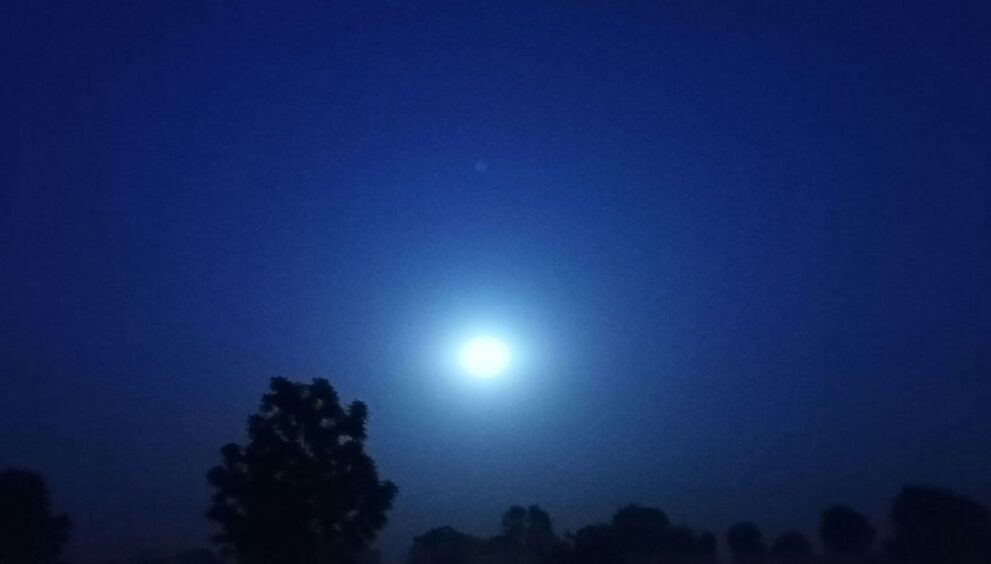
1. What is a Blue Moon?
Definition:
- A “Blue Moon” refers to the second full moon in a single calendar month. It’s a rare occurrence, as typically, a month has only one full moon.
Frequency:
- Blue Moons occur approximately every 2 to 3 years, making them a notable event for sky watchers.
2. August 20, 2024: The Blue Moon
Blue Moon Date:
- On August 20, 2024, will be visible, marking the second full moon of the month.
Previous Full Moon:
- The first full moon of August 2024 occurred on August 1, making the August 20 moon the second full moon of that month.
3. Viewing the Blue Moon
Visibility Blue Moon:
- The Blue Moon will be visible to observers around the world, depending on local weather conditions.
Best Viewing Times Blue Moon:
- Firstly, to catch the spectacular Blue Moon, you should look out for it during its peak phase. Additionally, the most favorable viewing times are around moonrise and moonset, which provide the best illumination. Furthermore, clear, dark skies will enhance your experience. Finally, remember that a only occurs once in a blue moon, so mark your calendar and enjoy the rare sight!
4. Scientific and Cultural Significance
Scientific Interest:
- The offers an opportunity for scientists and astronomers to study lunar cycles and the moon’s appearance.
Cultural Impact Blue Moon:
- Blue Moons often feature in folklore, poetry, and various cultural references, symbolizing rarity and uniqueness.
5. How to Observe
Telescope or Binoculars Blue Moon:
- When it comes to observing the captivating phenomenon of the choice between a telescope and binoculars can significantly impact your experience. On one hand, a telescope provides a more detailed and magnified view, allowing you to appreciate the intricate features of the moon’s surface. Conversely, binoculars offer a wider field of view, making it easier to capture the entire moon within your gaze. Therefore, if you seek a close-up, detailed observation, a telescope might be your best bet. However, if you prefer a broader perspective with ease of use, binoculars could be the ideal choice. Ultimately, both instruments have their merits, depending on your viewing preferences and goals.
Photography Tips:
- For capturing use a camera with a good zoom lens and consider using a tripod for stability. Clear, dark skies provide the best conditions for photographing the moon.
6. Additional Information
Weather Considerations:
- Check local weather forecasts for cloud cover and visibility to ensure optimal viewing conditions.
Local Events:
- Some communities may host special events or viewing parties to celebrate. Check local listings for any such events.
1. Moonrise and Moonset Times
Moonrise:
- The Blue Moon will rise in the east around [specific time depending on your location].
Peak Illumination:
- The moon will reach its peak illumination and appear fully round around midnight local time. The moon will set in the west around [specific time depending on your location].
2. Optimal Viewing Conditions
Clear Skies:
- For the best viewing experience, look for a location with clear, dark skies away from city lights and light pollution. The moon will be more visible and its features more discernible under these conditions.
Elevation:
- Viewing from a higher elevation or open area can provide a clearer and unobstructed view of the moon.
3. Local Time Considerations
Check Local Times:
- To find out when the Blue Moon will appear in your area, first check your local time zone. Subsequently, compare it to the Universal Time Coordinated (UTC) to determine the exact timing. Additionally, consult local astronomical resources or apps for the most accurate information. This way, you can plan accordingly and make sure you don’t miss this rare event.
Sunset and Twilight:
- The transition from sunset to twilight was not just a shift in the day’s light but an invitation to pause and admire the quiet beauty of the evening.
4. Viewing Locations
Urban vs. Rural Areas:
- Firstly, cities provide vibrant environments with extensive amenities and advanced infrastructure. In contrast, rural areas often boast serene landscapes and close-knit communities. However, the charm of rural life can sometimes be overshadowed by limited access to modern conveniences. On the other hand, urban areas face challenges like congestion and higher living costs. Nevertheless, both settings have their unique appeal, much like a rare that highlights the beauty in contrast.
5. Preparing for the Observation
Check the Weather:
- Since a blue moon is expected tonight, it would be wise to prepare accordingly. Furthermore, the unique lunar event may bring some unexpected changes in the weather. Consequently, it’s a good idea to stay updated with the latest weather reports..
Dress Appropriately:
- When attending a special event, it’s essential to dress appropriately. For instance, when you’re invited to a sophisticated gathering or an elegant soirée, your attire should reflect the significance of the occasion. Moreover, dressing appropriately not only shows respect but also enhances your confidence. In addition, consider the event’s theme or dress code, as it can guide your outfit choice. Ultimately, a thoughtful approach to your wardrobe ensures you make a positive impression.
6. Photography Tips
Equipment:
- Use a camera with a zoom lens to capture the details of the Blue Moon.
Settings:
- Experiment with shutter speeds to capture the best image without overexposing.
Editing:
- Post-processing can enhance your images, adjusting brightness, contrast, and sharpness to highlight the details of the moon’s surface.
7. Additional Activities
Astronomy Apps Blue Moon:
- Use astronomy apps or websites to get real-time data on moon phases, rise and set times, and other celestial phenomena.
8. Community Involvement
Local Events Blue Moon:
- Many communities organize special events or viewing parties for Blue Moons. Check local listings or astronomy clubs for any organized events or public viewings.
Social Media:
- Share your observations and photos on social media platforms. Engage with other sky watchers and astronomers to discuss the event and view others’ images and experiences.
Next Blue Moon Date
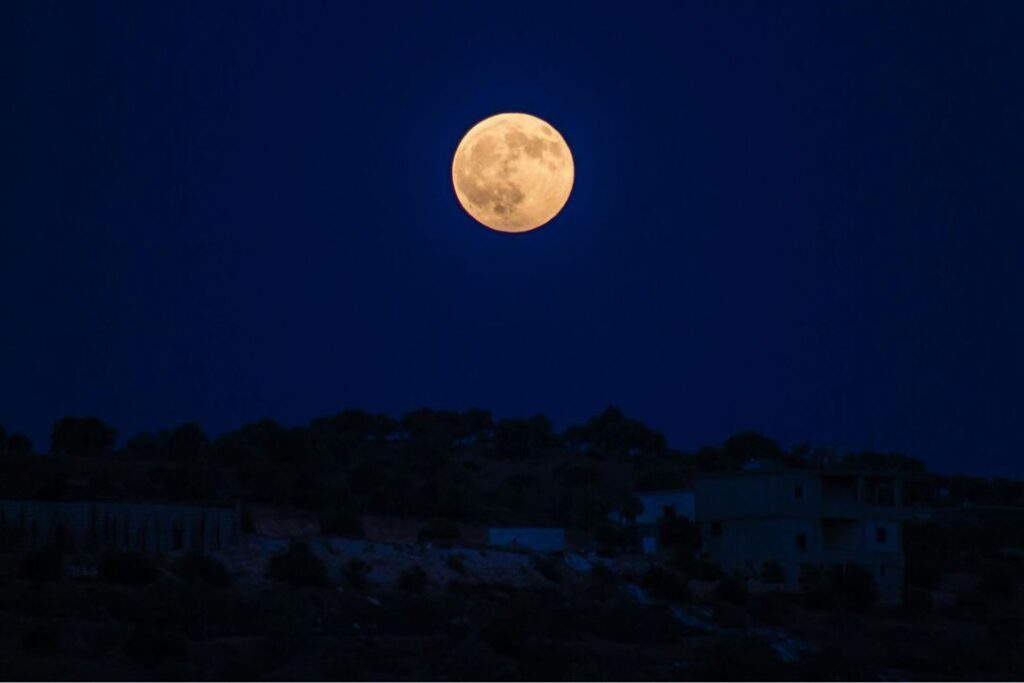
The next Blue Moon will occur on August 19, 2024. A Blue Moon refers to the second full moon in a calendar month. Normally, months have only one full moon, but occasionally, a second full moon appears, which is termed a “Blue Moon.”
August 30, 2027
Occurrence:
- Although the term suggests a unique event, it is simply an astronomical quirk. Interestingly, these occur approximately once every two to three years, making them infrequent yet predictable..
Frequency Blue Moon:
- Blue Moons typically occur about once every 2 to 3 years. This pattern means that after the August 2024 , the next one is expected a few years later in August 2027.
Future Blue Moons:
- August 31, 2029: Another Blue Moon will occur in August 2029.
- August 31, 2032: A Blue Moon is also expected in August 2032.
Continued Information on Upcoming Blue Moons
1. Tracking Future Blue Moons
Lunar Calendars Blue Moon:
- When discussing lunar calendars, one intriguing phenomenon that often comes up is the Consequently, this rare event occurs approximately once every two to three years. Moreover, lunar calendars, which are based on the cycles of the moon, offer a different perspective compared to solar calendars. As a result, the timing can vary depending on the specific lunar calendar system in use. Therefore, exploring the concept can provide valuable insights into the variations and nuances of timekeeping across different cultures.
2. Blue Moon Variations
Seasonal Blue Moons:
- Typically, each season has three full moons; however, occasionally, a fourth one appears. Although it doesn’t actually appear blue, it stands out due to its unusual frequency. Thus, while the term “once in a suggests rarity, it reminds us of nature’s fascinating unpredictability.
Calendar Blue Moons:
- Is a term used to describe a rare event when two full moons occur within a single calendar month. This occurrence is unusual and happens approximately once every 2 to 3 years. The term can also refer to the second full moon in a single calendar year. Despite the name, the moon doesn’t actually appear blue. Rather, it signifies the rarity of the event.
3. Observing Blue Moons
Optimal Viewing Locations Blue Moon:
- When searching for the best spots to view a consider these key factors to enhance your experience. Firstly, choose locations with minimal light pollution, such as rural areas or national parks. Secondly, select high vantage points like hills or rooftops to gain an unobstructed view of the horizon. Additionally, check the weather forecast to ensure clear skies.
4. Cultural Significance Blue Moon
Folklore and Traditions Blue Moon:
- For instance, historically, many societies have attributed special significance to the blue moon, believing it to be a harbinger of change or a time for reflection. Moreover, in folklore, the is frequently linked with mystical elements and superstitions. Consequently, these traditions highlight the profound impact that rare celestial events have on human imagination and cultural practices.
Celebrations:
- Some communities and astronomy enthusiasts celebrate Blue Moons with special events, gatherings, or public viewing sessions. Participating in or organizing such events can enhance the experience and connect you with fellow enthusiasts.
5. Educational Opportunities Blue Moon
Astronomy Classes Blue Moon:
- Consider attending astronomy classes or workshops to deepen your understanding of lunar cycles and celestial events.
Educational Resources:
- Explore books, documentaries, and online resources about the moon and its phases to enrich your knowledge and appreciation and other astronomical phenomena.
Conclusion
The next Blue Moon after August 20, 2024, will occur on August 30, 2027, with subsequent Blue Moons in August 2029 and 2032. Keeping track of these events through lunar calendars and astronomy resources can help you plan your observations. Blue Moons offer a unique opportunity to experience and appreciate the beauty of the moon, making them a special event for sky watchers and astronomers alike.